


Qure.ai has received a multimillion-dollar grant from the Gates Foundation to develop an open-source lung health database and AI-enabled point-of-care ultrasound for earlier detection of tuberculosis (TB) and pneumonia. The funding covers two strands of work: building a large multi-modal dataset for lung health research and developing AI algorithms for point-of-care ultrasound in TB and pneumonia screening.
Open Database
Qure.ai plans to create a database aligned with WHO lung health diagnostic pathways, including non-identifiable clinical history and medical images such as chest X-ray, thoracic ultrasound, and high-resolution CT. The dataset will also feature cough and lung recordings alongside laboratory or biological markers. The goal is to make the database open-source for researchers and developers working on new AI models in lung health, providing a resource for validating and refining algorithms.
Ultrasound Work
The second workstream focuses on AI-enabled point-of-care ultrasound for early detection of TB and pneumonia, particularly in under-resourced regions where access to imaging equipment and trained specialists is limited.
TB remains one of the world's deadliest infectious diseases, with annual deaths of approximately 1.23 million. Pneumonia causes 2 million deaths each year, 700,000 of which involve children under five. Point-of-care ultrasound has gained interest due to its portability and lower infrastructure requirements compared with CT. It can operate in settings with limited specialist coverage when paired with training and standardised protocols.
Company Background
Qure.ai has worked for the past decade on AI-enabled imaging for TB, deploying solutions in remote settings that have shortened diagnosis times from 14 days to 1–2 days, even without a clinician present.
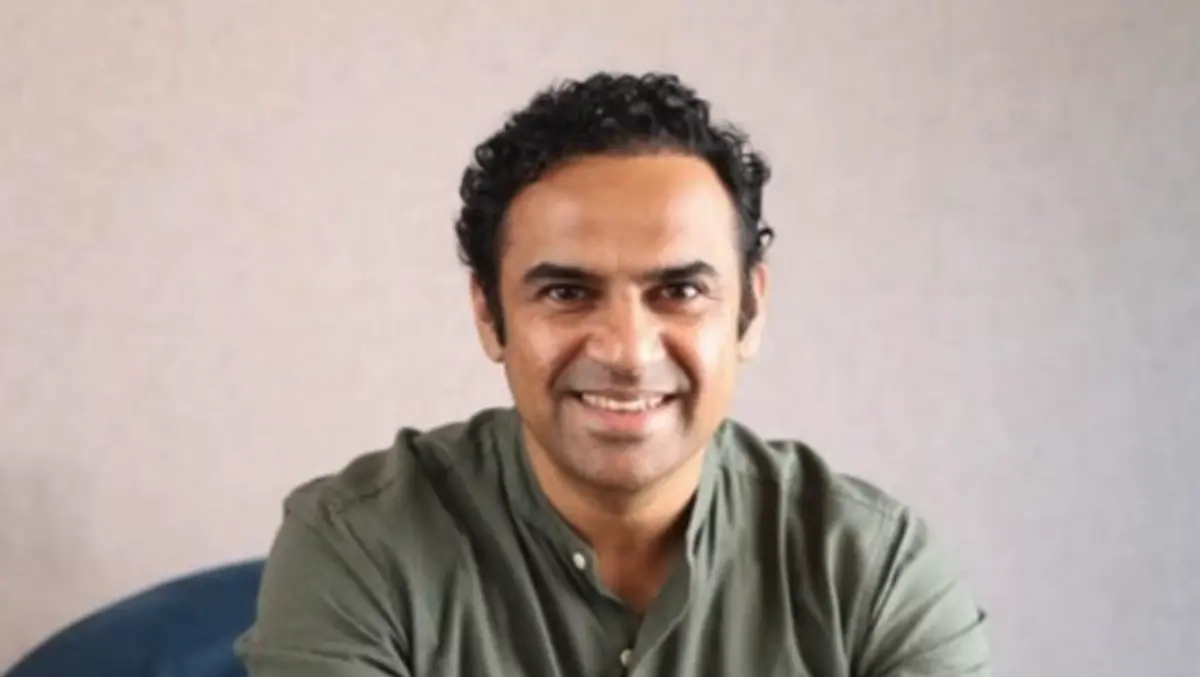
"In a bid to reach the unreachable we have innovated our way around the world over the last 10 years, taking AI-enabled X-ray to some of the remotest regions of sub-Saharan Africa, to the heights of Everest and depths of rural Southeast Asia, tackling the detection and diagnosis of TB. This is powerful progress that has reduced diagnosis rates from 14 days to 1-2 days, without even a clinician present. Now, with this grant from the Gates Foundation, we are excited to leverage this expertise further to scale and reach more people," said Prashant Warier, Founder and CEO, Qure.ai.
The company works across infectious diseases, lung cancer, and neurocritical care. Its software supports TB identification and management and flags findings associated with stroke. Qure.ai has deployments in more than 105 countries across 4,800 sites.
Dr Shibu Vijayan, Chief Medical Officer - Global Health, Qure.ai, said, "With the very latest developments in digital health and artificial intelligence, Qure.ai can help reach healthcare's blind spots, bringing high-quality diagnostics within reach of every clinic, health worker, and child, no matter where they live."
Dr Justy Antony Chiramal, Project Lead and Clinical Director, Global Health Innovation, Qure.ai, added, "This grant will allow us to build on the years of continuous innovation we have spearheaded in public health and our commitment to pushing the boundaries of what AI can do for global health. It brings together pneumonia, tuberculosis, and broader lung health priorities, with a focus on children in low and middle-income countries. A child dies of pneumonia every 43 seconds which is an unacceptable and an avoidable loss. It underscores the urgent need for better diagnostics and equitable access to care."
Qure.ai expects the database and ultrasound algorithms developed under the grant to contribute to future innovations in lung health prevention and identification.