Flexible work stories
Employers are tying stress to workload and culture, with HR leaders saying flexible shifts and confidential counselling can curb burnout.
Poorly designed offices can raise stress and sap concentration, with noise, glare and poor lighting pushing some staff into survival mode.
The recognition highlights efforts to improve women's progression in technology, where senior representation remains low across Australia and New Zealand.
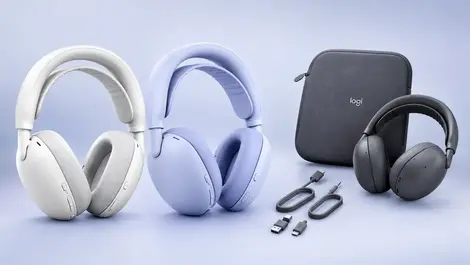
Hybrid workers will soon be able to effortlessly swap between calls and music without changing headsets, as Logitech's new model lands in October.
Customers will keep existing contracts and delivery teams as the staffing group folds 11 brands into Vertage on a single platform.
Half of surveyed desk workers report end-of-day pain, prompting a push for small workstation changes that may ease strain and improve focus.
Her consultancy's international growth and a maternity-leave setback have put Gemma Manning in the running for two national AusMumpreneur Awards.
AI-driven cyber threats are sharpening the talent crunch, as women still account for just 22% of the global workforce.
A widening talent shortage and AI-driven threats are forcing security firms to treat more women in the field as a business priority.
Persistent bias and narrow promotion criteria are still holding women back in tech, executives say, as AI threatens to widen the gap.
The system could boost robot training data supply and create paid shifts for Indian workers in kitchens, warehouses and hotels.
Demand for AI and data skills is pushing up pay in Singapore, even as more employers plan wage freezes or smaller increases in 2027.
Hybrid workers can now use one headset for calls and music, as Logitech targets people splitting time between office, home and the move.
Workers are shouldering higher bills for desks, devices and utilities as employers shift the cost of remote work into homes.
Most Australian leaders are using AI daily, but two-thirds are now planning to change jobs as flexibility and wellbeing outweigh pay.
Most senior leaders are open to moving on as work-life balance, flexibility and AI-driven change outweigh pay in retention decisions.
Pay for Leinster Chartered Accountants stayed near a record in 2026 as AI use jumped to 53% and hybrid working held firm.
Higher online shopping demand will see Amazon Australia add 3,000 seasonal jobs nationwide, with most openings in New South Wales.
Entry-level tech staff are most likely to worry about workplace culture, with 43% in Australia saying they face an entrenched boys' club.
Residents across Northeastern Ontario gain a new transport option as the province tests its first rideshare framework, with supply set to ramp up.