Health and Safety stories
Auckland based company HealthSafe says global trends include going contactless and using Bluetooth technology for signing in and real-time visibility.
Safety-sensitive workplaces risk staff impairment as fentanyl use spreads, with TDDA urging firms to update testing and drug policies.
Falls from ladders and roofs are costing New Zealand about $24 million a year, prompting a first-of-its-kind VR training package.
Workers remain at risk because paperwork is crowding out the risk checks, controls and enforcement that prevent accidents, Jason Braithwaite says.
A judge has called the site a fatal gas chamber after a worker died from hydrogen sulphide exposure, and the firm was fined and ordered to pay reparations.
Infrastructure firms face growing pressure to prove climate and social value as stimulus spending, disclosures and stakeholder scrutiny intensify.
Print editions have ended after five years of shifting readers online, as the publisher cites lower costs, audited reach and carbon-zero operations.
Retention hinges on better support, recognition and safer workloads as a McKinsey report warns more nurses are considering leaving direct patient care.
Contractors risk prosecution and hefty fines if high-pressure water blasting disturbs asbestos on roofs or cladding in New Zealand.
Rework is eroding productivity in New Zealand construction, with firms losing 16% of project time to fixing defects, a Procore report says.
A south Auckland egg processor has been fined for safety failings after a worker lost a thumb while cleaning a conveyor in 2020.
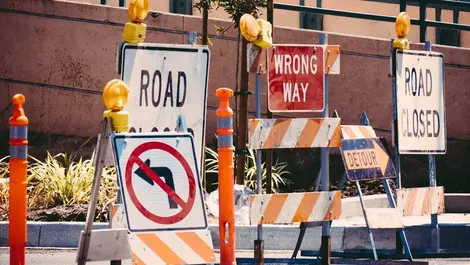
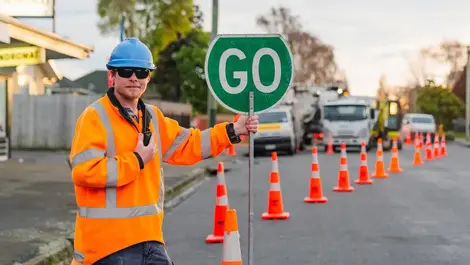
WorkSafe has accepted reparations and safety commitments instead of charges, after failures in temporary traffic management led to a cyclist's death.
Additional funding will help Te Pūkenga support almost 50,000 trainees and apprentices as demand for vocational skills rises across New Zealand.
Shift workers face a higher risk of workplace errors and injuries as new research links irregular hours to poorer cognition.
Only 55% of employees say skills development is a priority, widening a gap that could hurt performance and growth in the years ahead.
Slippery surfaces, tighter deadlines and fatigue are set to raise injury risks as wet weather returns and firms chase quotas.
Inspections and an independent inquiry will follow two port deaths in a week, as authorities warn of wider safety failures across the sector.
Workplace bullying and poor manager relations are being flagged as hidden drivers of costly construction injuries in New Zealand.
Most New Zealand workplaces lack air hygiene rules, despite research showing airborne viruses spread far more easily indoors than outdoors.
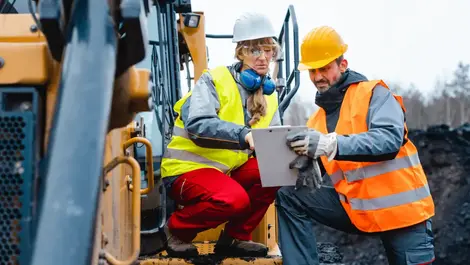
New Zealand risks missing its infrastructure build-out unless it creates clearer entry points and training for civil construction workers.