Job Market stories
The deal expands Dayforce's hiring software as employers seek faster screening tools to manage large applicant volumes without adding headcount.
Agentic AI can already handle bookings, bills and reminders for users, but its growing access to personal data raises fresh hacking and privacy fears.
Most 18- to 24-year-olds see esports as a real career, but fewer than a third can name jobs beyond playing professionally.
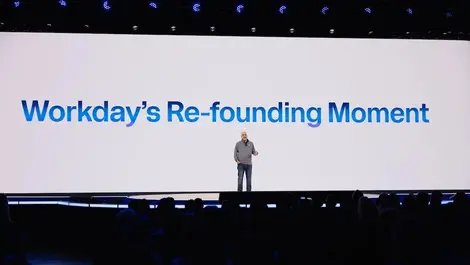
Its AI-first overhaul has cut layers, sped product cycles and left the company betting that startup-style speed can still serve Fortune 500 customers.
The Finnish town stands to gain jobs and local spending as atNorth's FIN05 project brings a planned €2 billion investment and future expansion potential.
The shift signals a younger, larger labour force at small firms, with average headcount up 44% since 2019 and separations down to 27%.
The network says more than 20 years of backing research spin-outs is now creating jobs, deals and export-ready technologies nationwide.
Uncertainty over tax policy is delaying growth plans, with 54% of SME owners holding off major investment until after the Autumn Budget.
A survey by Pure Telecom found 56% of adults in Ireland would consider influencing for income, while 82% already follow at least one creator.
Women in UK manufacturing are far more exposed to generative AI than men, raising fears that automation could deepen sector inequalities.
More than 4,500 users have signed up as the platform tries to steer school leavers towards jobs amid youth unemployment above 10%.
Australia's ocean industries already generate $229 billion and 712,000 jobs, but funding for cleaner seas still relies on short-term grants.
Heavy workloads are offsetting AI's gains for many UK staff, with 44% of users saying the technology has increased their burden, PwC found.
The latest jobs report may exaggerate weakness, with CreditorWatch's chief economist blaming volatile state and part-time figures for the national drop.
Overseas sales are now a key growth driver, but more than 70% of pre-revenue and pre-profit fintechs say fundraising remains difficult.
The latest figures point to weaker demand and tighter margins, with employment across Australian small businesses down 0.6% in July.
Worker shortages and weaker finances are threatening New Zealand's ability to deliver future infrastructure projects, a survey found.
Stronger AI adoption and talent inflows have helped Ireland stay ahead of a global hiring slowdown, despite weaker junior recruitment in some sectors.
AI-referral is becoming a meaningful sales channel for merchants, with Shopify saying such sessions converted 80% better than organic search between April and June 2026.
Women hold 63.4% of the jobs most exposed to generative AI in UK manufacturing, raising fears the technology could widen workplace inequality.