Workplace automation stories
Enterprise AI agents are already generating revenue, but shortages of compute and skills could determine who captures the gains.
Enterprises are spreading AI use across several platforms, heightening identity and access risks as agents gain broader system access.
New AI tools are giving visually impaired staff more independence at work, but Cisco says they still need screen readers and human support.
Businesses are being warned that rushed AI rollouts can waste spend and add risk unless teams define clear goals and checks first.
Attackers can now weaponise newly disclosed flaws in hours, leaving businesses exposed unless security teams move to real-time oversight.
AI is now embedded in reporting and operations across the region, but executives warn that governance, data sovereignty and shadow use lag behind.
Governance gaps are exposing firms to higher AI agent risks, as most now use them daily and many lack policies to control access.
Employers risk worsening shortages in cybersecurity and frontline roles unless they open new entry routes and training for young workers.
Sales and support teams could cut admin time as Microsoft embeds generative AI into Outlook, Teams and Dynamics 365 for routine customer work.
Businesses could see faster, cheaper AI coding and office workflows as OpenAI rolls out GPT-5.6 with stronger safeguards.
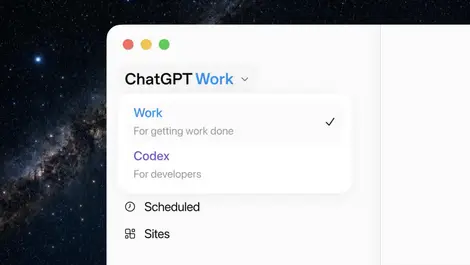
More than 5 million Codex users could now hand hours-long office tasks to a new agent that drafts documents, spreadsheets and slide decks.
Most Australian staff are happy with AI as an assistant, but 64% want a human involved before it acts independently.
Australian agencies can now access a sovereign Azure option as Macquarie Government adds public cloud and AI services under tighter security rules.
Talent shortages and AI adoption are pushing Singapore employers to recruit abroad, with 89% saying they would hire internationally if it were easier.
The rollout will put secure AI tools into 6,000 employees' hands as Evri seeks to cut manual work and improve parcel delivery.
A quarter of office staff fear losing jobs to AI, as new research suggests digital colleagues could become commonplace in Ireland within three years.
Workers in Australia are more worried than global peers about automation, even as 57% use AI tools to hunt for jobs or prepare for interviews.
Many workers are being left to learn AI on their own, with junior staff far less confident than senior leaders, a survey shows.
A survey of 385 workers suggests poor handovers, rework and meeting overload are draining productivity across Australian and New Zealand firms.
Australian teachers could save hours on admin as a voice-based AI tool drafts lessons, emails and policies between classes.