

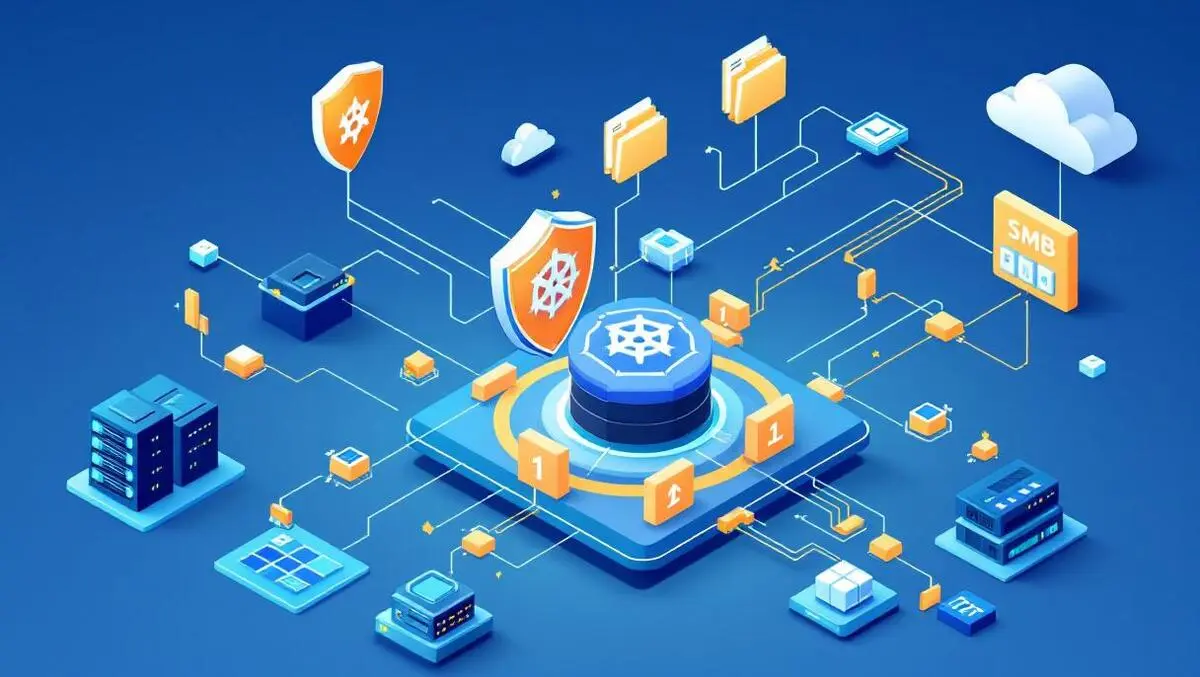
CloudCasa widens Kubernetes backup with SMB, compression
Thu, 11th Dec 2025
CloudCasa by Catalogic has added new backup storage features to its Kubernetes data protection platform, including support for SMB file sharing and user-selectable compression of backup data.
The update expands CloudCasa's options for storing backups in on-premises, hybrid, and edge Kubernetes environments. The service already supports NFS-based backup storage.
CloudCasa now supports backup storage accessed over the SMB (Server Message Block) protocol. SMB is a common file-sharing protocol in Windows-based environments and on many network-attached storage devices.
The platform also now offers user-selectable compression settings for persistent volume backup data. Users can adjust compression levels for each Kubernetes cluster or for individual backup jobs.
The new features follow the introduction of NFS backup storage support earlier in the year. The combination of NFS and SMB support allows customers to target a wider range of network storage systems.
CloudCasa said the changes allow organisations to send Kubernetes and containerised virtual machine backups directly to existing on-premises NAS devices and Windows servers. Many enterprises already deploy NAS hardware and Windows file servers in remote offices and branch locations.
CloudCasa developed SMB support in response to customer demand for more flexible access to storage. Many users operate mixed infrastructure estates with both Linux and Windows systems.
The company said users can now protect workloads in on-premises, hybrid, and edge environments using existing compliant storage systems. These systems often already meet corporate security and regulatory requirements.
The new compression options sit alongside CloudCasa's existing compression and data de-duplication features. Users can select different compression settings depending on workload type and resource constraints.
CloudCasa said this tuning allows customers to seek a balance between storage footprint and compute impact. Compression can reduce the amount of storage that backup data consumes. It can also increase CPU and memory usage during backup and restore operations.
CloudCasa highlighted the relevance of the update for edge and remote office locations. These sites often run resource-constrained clusters and rely on shared NAS appliances or Windows servers.
Many organisations now run Kubernetes workloads across multiple sites and clouds. This trend has driven interest in products that can work with a broad mix of storage platforms and deployment models.
The company said the new features can support customers that want to use existing storage investments for backup. Many enterprises prefer to reuse current NAS and file server infrastructure instead of buying separate backup appliances.
CloudCasa also pointed to the ability to manage resource usage more tightly in remote and edge clusters. These environments can face limits on network bandwidth, local storage, and processing power.
Bob Adair, Head of Product Management at CloudCasa, said the latest update reflects customer feedback. He said the new release follows a series of features aimed at hybrid and edge users.
"These new product enhancements reflect our continued commitment to customer-driven innovation," said Adair. "With these new features, we're giving our customers more choice in and more control over how they protect and manage their Kubernetes and VM data, whether it resides in the cloud, on-premises, or at the edge."
CloudCasa by Catalogic provides backup, disaster recovery, and migration for cloud-native environments. The service is available as a fully managed SaaS platform and as a self-hosted deployment.
The company targets organisations that run Kubernetes clusters across public clouds, private data centres, and edge sites. It offers policy-based automation and multi-cluster management features.
CloudCasa said it expects demand for flexible storage targets to increase as more customers run stateful applications on Kubernetes. The vendor plans further enhancements for hybrid and edge data protection in future releases.