

Google tops India's most attractive employer brands
Thu, 6th Aug 2026.webp)
Google has been ranked India's most attractive employer brand in Randstad India's Employer Brand Research 2026, ahead of Tata Group, Amazon and Samsung India.
The research surveyed nearly 3,500 respondents in India and drew on findings from more than 175,000 respondents across 34 markets.
Google topped a top-10 list that also included Infosys, Reliance Industries, ITC Group, Hindustan Unilever, Mahindra & Mahindra and Dell Technologies. The ranking points to a labour market where brand perception remains closely tied to how workers judge day-to-day conditions, pay, career prospects and fairness.
Work-life balance is now the most important factor in employer attractiveness for workers in India, cited by 60% of respondents. Equal opportunities followed at 59%, while career progression and salary and benefits were each named by 55%.
Company reputation also remained important, with 53% identifying it as a priority. The findings suggest workers are weighing a broader mix of factors than pay alone when assessing employers.
Job mobility remains high. The research found that 46% of Indian professionals expect to change jobs in the next six months, while 32% had already changed employers in the previous six months.
Work-life balance was the leading reason for leaving, cited by 49% of respondents. Lack of career growth followed at 42%, ahead of low compensation at 41%.
Generational differences were relatively narrow, though younger workers showed slightly greater concern about progression. The research found that 43% of millennials would leave because of a lack of career growth opportunities, compared with 42% of Gen Z and 39% of Gen X respondents.
Security and support
The study also examined what makes workers feel secure in their jobs. Performance recognition and career continuity were each cited by 47% of respondents, matching the share who pointed to reliable pay and benefits.
Transparent and trustworthy communication followed closely at 46%, suggesting job security is linked not only to compensation but also to whether workers feel informed and acknowledged.
Secondary benefits were highly important across categories. Career and development benefits led this group, rated important by 90% of respondents, while workplace comfort, flexible work, health and wellbeing, and retirement and financial security each stood at 89%.
Work-life balance itself was shaped most strongly by the quality of the work environment. A good work environment was cited by 52% as the main driver, ahead of personal growth and fulfilment at 40%, flexible work arrangements at 35% and health and wellbeing support at 35%.
Women were slightly more likely than men to link work-life balance with flexibility, at 37% compared with 33%. This suggests flexible arrangements remain an important part of the employment offer, even as other workplace factors carry similar weight.
Remote shift
Hybrid work has become the dominant remote working model in India. Randstad found that 42% of respondents were in hybrid roles, while around three in five worked remotely at least some of the time.
At the same time, fully remote work has fallen sharply. The share of respondents in full-time remote roles dropped to 18% from 47% in 2021, reflecting a wider return to offices and more mixed attendance patterns.
Younger workers were more likely to work remotely for at least part of the week. The study found that 63% of Gen Z and 62% of millennials had some form of remote working, compared with 51% of Gen X.
Digital workers stood out from other talent groups in their expectations around reward and progression. In that segment, 73% prioritised competitive salary over work-life balance, and they were more likely than other workers to cite limited career growth as a reason to leave.
Digital talent were 55% more likely to leave because of a lack of career growth, compared with 40% of operational talent and 43% of professional talent. The finding underlines pressure on employers competing for technology workers in a market where specialist skills remain in demand.
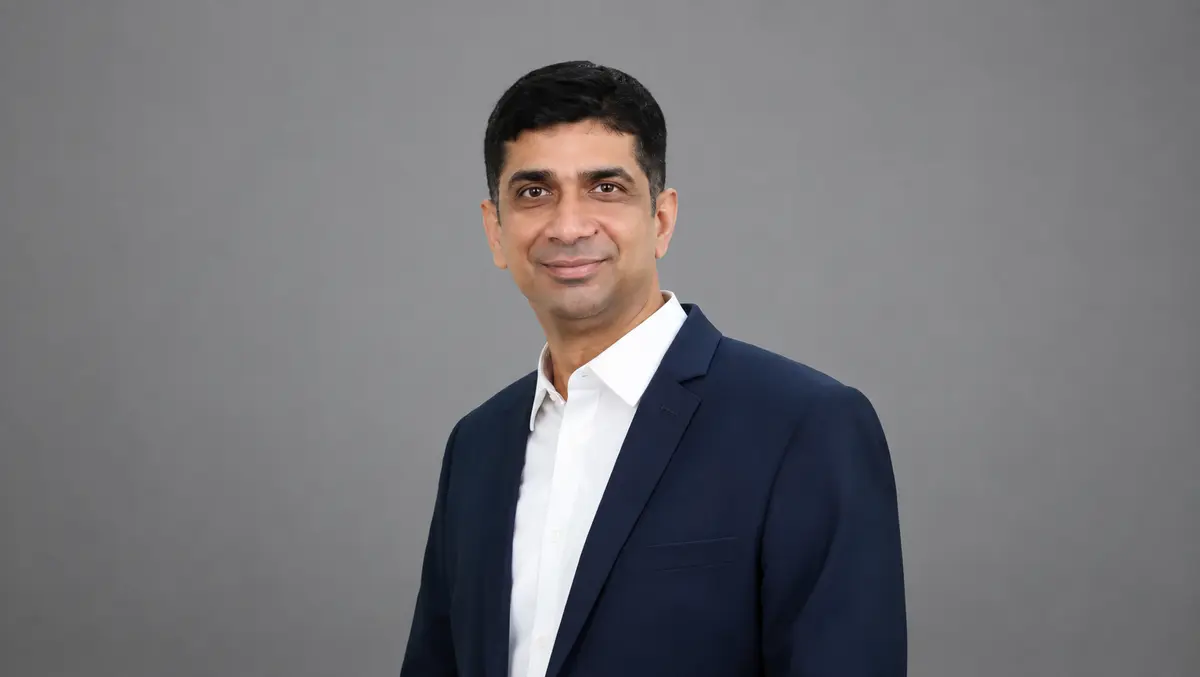
Narayan Iyer, Managing Director, Randstad India, said: "The post-2020 era has fundamentally rewritten the psychological contract between employers and employees, accelerating an unprecedented evolution in both workforce expectations and workplace dynamics. Today, talent no longer evaluates an organization on a single factor or isolated perks, but on an integrated employment experience. With nearly half of the workforce contemplating a career move over the next six months, enterprise resilience depends on looking far beyond surface-level benefits. While many employers have made substantial progress, talent expectations are expanding faster than organizational structures can adapt. Retention is no longer about strengthening isolated touchpoints; it requires closing the gap between financial reward and everyday fulfillment. As India continues to attract global investment and expand its economic footprint, organizations that actively re-think their talent strategies will lead the market in talent attraction and retention. Ultimately, the future belongs to employers who master the art of making growth, flexibility, fairness, purpose, and reward coexist, rather than compete."