

Hexnode launches Synapse AI layer for IT workflows
Tue, 15th Sep 2026.webp)
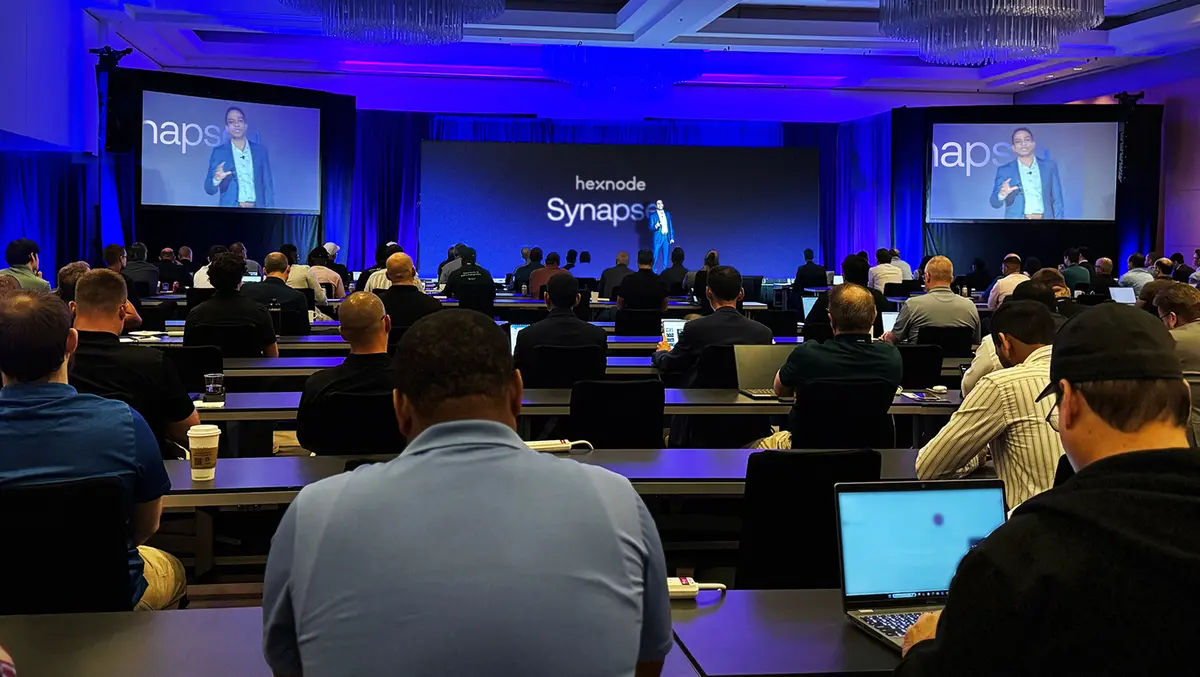
Hexnode has launched Hexnode Synapse, adding an AI orchestration layer to its IT and security software.
The system is designed to manage requests, alerts and events across multiple enterprise tools rather than within a single product. Synapse works across Hexnode's endpoint management, identity and threat detection products and links to external systems including ServiceNow, Zendesk, Microsoft Entra ID and BambooHR.
The launch targets a long-standing issue in corporate IT operations: staff often move between separate consoles to complete a single task. In areas such as employee onboarding, access changes and threat response, that can mean a series of manual handoffs between identity systems, devices, support desks and HR platforms.
According to Hexnode, Synapse uses specialist AI agents to handle different categories of work. The initial set includes a Device Agent for diagnostics, compliance and provisioning through Hexnode UEM; an Identity Agent for access and account work through Hexnode IdP; and a Threat Agent for triage, investigation and containment through Hexnode XDR.
Administrators can also configure custom agents for their own tools and knowledge sources, allowing firms to extend workflows beyond Hexnode's built-in software stack into other systems already used by IT and security teams.
One example is a prompt such as "Onboard John," which reads an employee's HR profile and triggers a sequence of actions across identity, application licensing, device setup, endpoint protection and ticketing. The workflow continues as a single process, with the system resuming tasks if a blocked step later becomes available.
Governance model
A central part of the launch is the governance framework around automated actions. Routine work can proceed within administrator-defined guardrails, while more sensitive steps, such as device wipes, endpoint isolation and privileged access changes, must be approved by a named person before execution.
Every action is logged in what Hexnode calls an Execution Centre, which records the trigger for the request, the agent's decision, any approvals and the final action. IT and security teams can then review or export that record.
Apu Pavithran, Chief Executive Officer and Founder of Hexnode, framed the product as a response to fragmented enterprise workflows.
"If you look at the real work of IT, nothing ever happens inside just one system. Onboarding a person touches identity, devices, and your HR system. Responding to a threat touches the endpoint, the user's access, and the ticket. And today, a person is the one connecting all of that, every single time," said Apu Pavithran, Chief Executive Officer and Founder of Hexnode.
That focus on linking tools reflects a wider trend in the software market, where vendors are trying to make AI systems more directly involved in operational tasks rather than limiting them to recommendations or analysis. In practice, the shift raises questions about where decision-making remains automated and where human review is retained.
Pavithran described that distinction directly when discussing how Synapse is intended to work.
"The shift is agentic: where the platform is not just telling you what to do, it's actually doing the work," said Pavithran.
Hexnode said the product is built so autonomous actions remain constrained by pre-set limits. Tasks outside those limits, or situations where the system is uncertain, are routed to a human approver.
That point is likely to matter for buyers in regulated sectors or teams managing sensitive systems, where full automation without audit controls may be difficult to justify. The emphasis on approvals and execution history suggests Hexnode is positioning the software as a practical operations tool rather than a fully independent AI decision-maker.
Pavithran made that argument explicitly when discussing control.
"Routine work can happen on its own. Anything consequential comes back to a person, and if the system is not sure, that comes back to a person too. Autonomy without that control is not something an IT team will ever deploy," said Pavithran.