Access Control stories
Active data makes up just 4.4% of enterprise storage, raising costs, security exposure and AI search quality concerns for firms.
Most fake hires are exposed only after getting system access, leaving companies vulnerable for days and often weeks before a fraud is spotted.
The appointment comes as firms race to secure autonomous AI agents that can access systems and physical infrastructure without human oversight.
Encrypted data exchanges in smart transport can now run far faster on Intel chips, easing a key barrier to edge AI deployment.
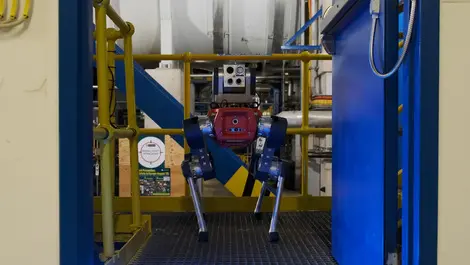
The upgrade lets inspection robots reach critical plant assets behind locked doors, cutting manual work while keeping security and fire controls intact.
More organisations are treating access control controllers as strategic infrastructure, even as missing cybersecurity features rise to 32% of systems.
Security teams can now trace prompts, responses and tool calls from Claude Code and Cowork alongside other enterprise signals.
A surge in non-human identities is leaving businesses more exposed, with privileged access risks now stretching beyond staff to AI agents and machine accounts.
AI-related demand is set to boost HPE's networking growth, with the company now forecasting higher margins and USD $800 million in Juniper savings by 2028.
The link should cut manual offboarding and audit work for security teams by tying SailPoint approvals directly to Keeper-managed privileges.
Retailers can now centralise headset fleets across stores as Jabra's new platform aims to cut IT support demands and speed frontline communications.
Teams can now share projects and documents in ChatGPT, as OpenAI pushes the service deeper into everyday office workflows.
Mac developers using autonomous agents now get a free beta tool that blocks risky actions before tools, files or credentials are exposed.
Nearly one in 10 AI security alerts in retail involved systems exposing protected customer data to users without access, research found.
The deal gives the Baltic bank a risk-based way to cut card fraud while reducing friction for online shoppers across the region.
A free starter workspace for up to three knowledge sources aims to help firms test Stack Internal before wider deployment.
Organisations using several AI models will get spending, access and policy controls in one place, as use of generative tools spreads across departments.
For customers, the recognition strengthens support for complex security deployments as networking and physical protection increasingly overlap.
The hire is aimed at deepening Gallagher's foothold in NSW and the ACT, with a focus on bigger customers in data centres, government and utilities.
Singapore regulators are pressing firms to stop using identity numbers for authentication as leaked telecom records can fuel years of impersonation fraud.