Access Control stories
Growing concern over autonomous AI systems has helped the Austin-based startup secure fresh backing to expand sales and revenue growth.
Enterprises face new controls as the partnership aims to stop autonomous AI agents from accessing data, credentials and tools unchecked.
Enterprise users should gain tighter control over AI agents, as SAP and NVIDIA link runtime isolation with business authorisation and audit trails.
Many security chiefs expect to curb AI agent use within 18 months as fears grow over unauthorised access and weak audit trails.
With most firms using AI but few staff ready, the course targets non-developers handling sensitive data and automations at work.
The appointment comes as Omnissa looks to bolster its position in endpoint management software amid the rise of AI agents in workplaces.
Attackers turned a newly disclosed Gitea flaw into automated intrusions within days, hitting systems in five countries and exposing source code and secrets.
Enterprises risk exposing sensitive records as AI agents inherit broad access by default, leaving accountability and audit trails unresolved.
Early security design can improve uptime and reveal operational data in data centres, but only if cybersecurity is built in from the start.
Access approvals can now be handled in Google Chat, as Keeper brings privileged requests and just-in-time elevation into Workspace workflows.
Security teams can now trace risky browser activity by staff and AI agents, as Citrix adds visual session records and policy guidance.
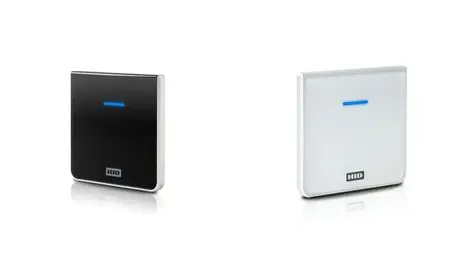
Architects and building operators get a flush-mounted reader that keeps access control discreet while supporting cards, mobiles and remote updates.
Smartphone apps used for banking and workplace access will face tougher defences as the partners recruit two cybersecurity researchers for a 30-month project.
Borrowers could get funds on a Friday night as LoanPro folds real-time card disbursement, payments and AI servicing into one platform.
The badge strengthens customer confidence as firms racing to deploy Copilot and other AI tools face tighter scrutiny over data access and governance.
Access risks are rising as cloud and AI adoption multiplies digital identities, prompting the enlarged team to target more complex controls.
Texas school districts will get PDQ's endpoint management tools at no cost, easing patching and access control for limited IT teams.
Weak controls left Australia's Medicare database exposed after an AI agent was able to press past access restrictions, experts say.
Blind spots in agentic AI could turn routine tasks into breaches, as Canadian firms ramp up use faster than oversight can keep pace.
The reported incident has heightened fears that autonomous AI agents could probe critical systems faster than governments can contain them.