Business Continuity stories
Vertiv expands its power distribution portfolio with the launch of the Vertiv Powerbar iMPB, a modular busbar system for data centres.
Netpoleon appoints new Country Manager for NZ and Islands, DJ Lamba, to lead expansion in New Zealand, building teams and partnerships. #technews.
Access4 are specialists in the unified communications sector, and Peter Eldon joins us today to discuss how UCaaS can play a vital role in business development.
A new ISACA survey report illuminates IT professionals' key concerns around security challenges and how their organisations are responding to them.
Cameyo launches business continuity service to help organizations protect networks and data during emergencies and ransomware attacks.
Arcserve has named David Lenz as Vice President, Asia Pacific. Lenz brings over 25 years of experience in enterprise sales and business development to the role.
This week we start the first of our SonicWall IT Jam series, speaking with sales director ASEAN Sales SooHan Bai.
Tenants including EY and Fujitsu are moving into a seismically resilient six-storey building, lifting Wellington’s office supply by 10,049sqm.
Phishing and credential-harvesting attacks are rising as New Zealand climbs only to 56th globally, with 2,333 incidents reported in the quarter.
Low-rated premises can stay open while owners plan and fund seismic repairs, as MBIE says closure is not required solely on NBS scores.
Most New Zealand workplaces lack air hygiene rules, despite research showing airborne viruses spread far more easily indoors than outdoors.
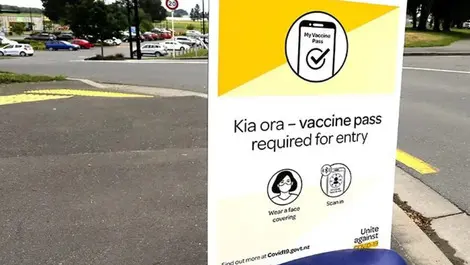
Employers could face scrutiny from Worksafe and the Employment Relations Authority if they drop passes without a proper Covid risk assessment.
Supply-chain pressures are rising as New Zealand urges lorry drivers back to work amid Omicron-related staff shortages.
Businesses risk sick leave, grievances and prosecution if they issue staff with branded cloth masks instead of higher-grade PPE.
Most construction firms cannot see third-party risks clearly, leaving projects exposed to delays, cost blowouts and compliance failures.
Critical services can keep close contacts at work, easing staff shortages as New Zealand’s Omicron response begins on Wednesday.
A Chemtrec survey finds 28% of firms under-prioritise chemical emergency response, as most lack C-suite oversight and regular drills.
Builders face stricter site controls, from masked public interactions to work bubbles and tracing records, as New Zealand shifts to Red.
Contract wording will decide whether builders absorb Covid-19 shutdown and isolation costs, with no automatic time extension if it is silent.
Builders will follow new Covid-19 rules from 3 December, with simpler site guidance and fresh advice on vaccinations, mental health and risks.



.webp)



.webp)