Oxford Economics stories
Frontline modernisation with AI is delivering productivity, profit and retention gains as manufacturers and logisticians target specific workflows.
The tie-up is aimed at closing a gap that can leave AWS users unable to rebuild working systems even after data has been restored.
More than half of logistics leaders say delivery operations still need major improvement, underscoring a gulf between AI plans and frontline reality.
Higher electricity costs are putting Europe at a disadvantage as investors choose locations for the power-hungry AI data centres they need.
Most executives lack visibility over AI suppliers and infrastructure, leaving core operations exposed to outages, compliance risks and vendor lock-in.
New rules are forcing Asian startups to divert cash and staff from product work, with 88% reporting operational constraints, a study found.
Outages are now costing Global 2000 firms USD $600 billion a year, as a single incident can wipe 3.4% off share prices.
Cybersecurity and skills gaps are leaving many mid-sized firms unable to turn AI investment into stronger profits or revenue growth.
Asia Pacific's rapid AI adoption is running ahead of culture and trust, with leaders warning a “Human Advantage” gap could decide who wins.
CISOs slow-roll agentic AI in defence, even as they brace for more advanced, AI-boosted attacks and rising personal liability risks.
Tata Consultancy Services will create 5,000 UK jobs and open a new AI Experience Zone and Design Studio in London, boosting innovation and skills.
Most firms lack the controls and skills to govern agentic AI, yet spending is rising fast as pilots spread across Canada.
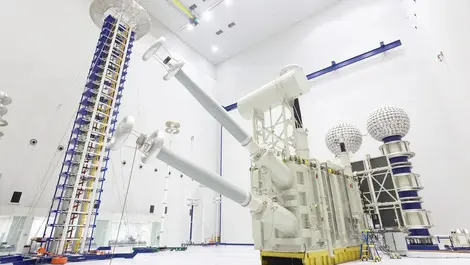
Supply bottlenecks for transformers could delay new data centres as Australia's AI boom intensifies pressure on the power grid.
UK YouTube creators can now tap growth capital and operational support without surrendering ownership, as Nuggit targets a fast-maturing sector.
Only 22% of Australian organisations say they are ready to govern AI safely, as spending and use surge across daily operations.
Yet most Australian mid-sized firms still lack the training and governance needed to turn AI use into broader revenue gains.
Axiologik unveils AxioIntelligence to help UK firms judge AI readiness, amid soaring pilots and average spend of GBP £15.94 million.
Submer teams with Hammer to offer UK and European resellers local access to AI-focused liquid cooling as dense data centre demand surges.
Australia's SME sector posts strongest half-year growth since 2023, driven by digital adoption and productivity, nearing pre-pandemic output levels.
Australian businesses could unlock a USD $60bn productivity gain by saving 8%-10% on external supplier spend without job or performance cuts.